Introduction
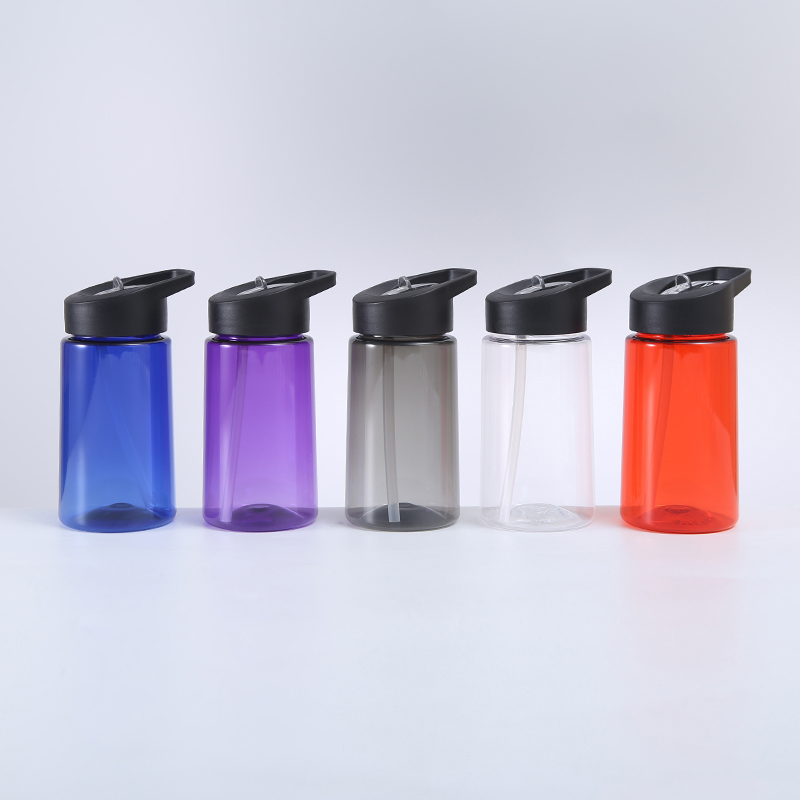
Plastic bottles have become indispensable in modern life, used for beverages, personal care products, and household essentials. However, the environmental impact of their production has drawn significant scrutiny. Manufacturers are now prioritizing sustainability alongside efficiency, driven by advances in material science and eco-conscious consumer demand.
This article explores the innovative manufacturing processes reshaping the plastic bottle industry, emphasizing energy efficiency, waste reduction, and the use of sustainable materials.
Advanced Material Technologies
Material innovation is at the core of sustainable plastic bottle production. Recent breakthroughs include:
- Recycled PET (rPET): Increasingly used in bottle manufacturing, rPET reduces reliance on virgin plastics and lowers overall carbon emissions.
- Bio-based Plastics: Derived from renewable sources like sugarcane or cornstarch, these materials mimic traditional plastics while offering a smaller environmental footprint.
- Lightweighting: Reducing the amount of plastic in each bottle without compromising durability has become a key focus, saving resources and energy.
Energy-efficient Production Methods
Modern manufacturing facilities are adopting energy-efficient processes to minimize environmental impact. Key advancements include:
- High-speed Injection Molding: Innovations in molding technology have reduced cycle times, conserving energy while maintaining quality.
- Blow Molding Optimization: Improved stretch blow molding techniques use less material and energy, making the production process more sustainable.
- Renewable Energy Integration: Many factories are transitioning to solar or wind power to operate sustainably.
Waste Reduction Strategies
Minimizing waste during production is a critical objective for manufacturers. Examples of effective strategies include:
- Closed-loop Recycling: Implementing systems that capture and reuse production scrap reduces material wastage.
- Precision Manufacturing: Advanced machinery and AI-driven monitoring ensure minimal material loss during production.
- Eco-friendly Packaging: Some manufacturers are exploring biodegradable labels and caps to complement sustainable bottle designs.
Automation and Smart Manufacturing
Automation has revolutionized plastic bottle production, enhancing both efficiency and sustainability. Technologies include:
- Robotics: Automated systems handle repetitive tasks with precision, reducing errors and material wastage.
- IoT Integration: Internet of Things (IoT) devices monitor energy use and equipment performance, optimizing resource allocation.
- Digital Twins: Virtual models of production lines allow manufacturers to test changes and improve efficiency without physical adjustments.
Collaborations and Innovations
The shift towards sustainable manufacturing is supported by collaborations between industry leaders, governments, and environmental organizations. Examples include:
- Shared Recycling Initiatives: Industry-wide programs to collect and recycle plastic bottles ensure a consistent supply of recycled materials.
- Research Partnerships: Collaborative efforts focus on developing advanced materials and manufacturing techniques.
- Consumer Awareness Campaigns: Educating consumers about recycling and sustainability enhances the lifecycle of plastic bottles.
Conclusion
The manufacturing of plastic bottles is undergoing a transformative phase, driven by the dual imperatives of efficiency and sustainability. Advances in materials, energy-efficient processes, and smart manufacturing technologies are setting new standards for the industry.
By embracing these innovations, manufacturers can reduce environmental impact while meeting the growing demand for sustainable products. These efforts not only benefit the planet but also strengthen consumer trust and industry resilience.