Introduction
Plastic cups have seamlessly integrated into our daily lives, offering unmatched convenience and adaptability. From busy commuters grabbing their morning coffee to children enjoying juice at birthday parties, these versatile cups serve a wide range of purposes. However, beyond their practicality, plastic cups have also evolved to become a statement of aesthetics and branding.
This article explores the dual role of plastic cups in providing convenience and enhancing visual appeal. By examining their design innovations, cultural significance, and multifaceted uses, we uncover why plastic cups remain an indispensable part of modern living.
The Ubiquity of Plastic Cups
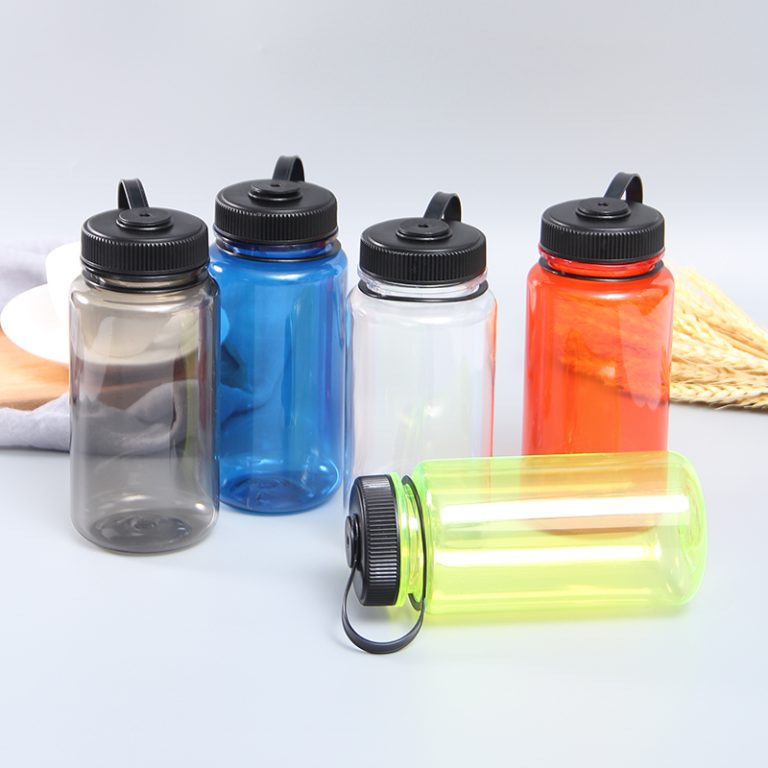
The widespread adoption of plastic cups can be attributed to their lightweight nature, durability, and affordability. Unlike traditional glass or ceramic cups, plastic versions are shatterproof, making them ideal for use in various settings, including outdoor events, fast-food restaurants, and family gatherings. Their disposable nature also reduces the time and effort needed for cleaning, catering to the fast-paced lifestyles of today’s consumers.
Moreover, plastic cups come in a variety of sizes and shapes, catering to different beverage types and serving portions. This adaptability has made them a staple in industries ranging from hospitality to healthcare.
The Aesthetic Evolution of Plastic Cups
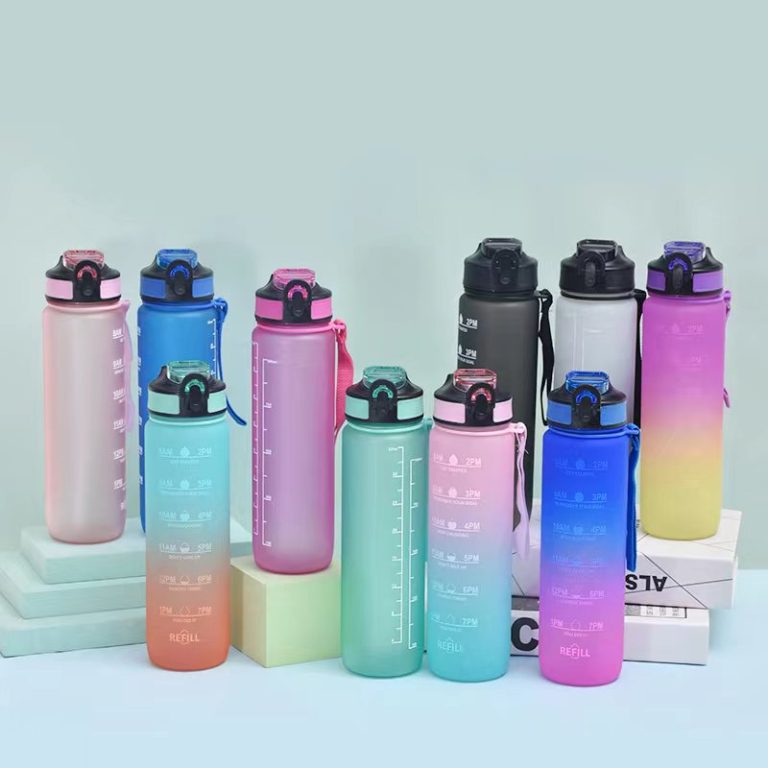
In addition to functionality, plastic cups have embraced aesthetic trends to appeal to modern consumers. Brands now invest in customized designs, colors, and patterns to enhance the visual experience of their products. For instance, coffee chains often feature seasonal-themed cups, creating a sense of novelty and engagement among customers.
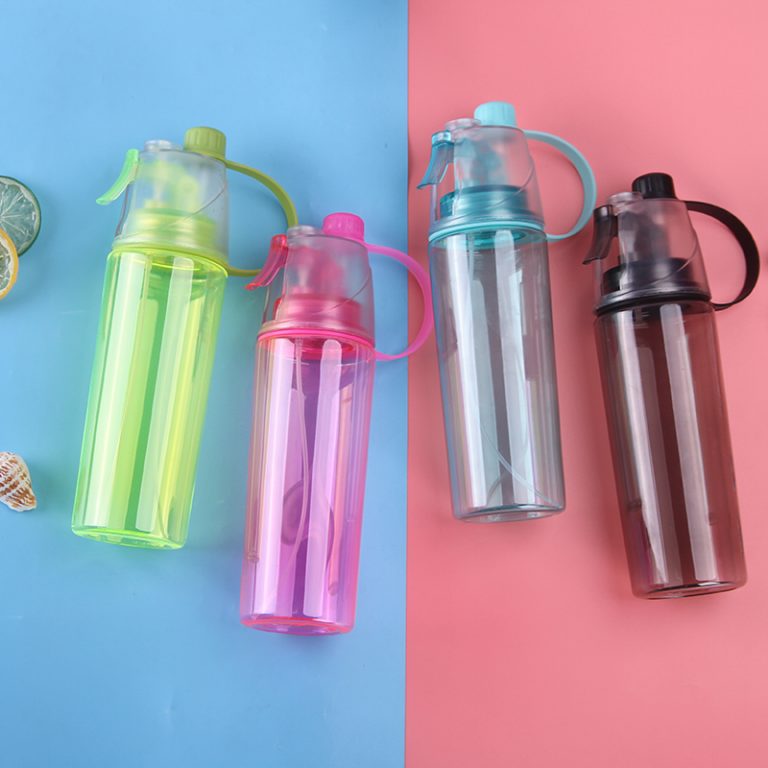
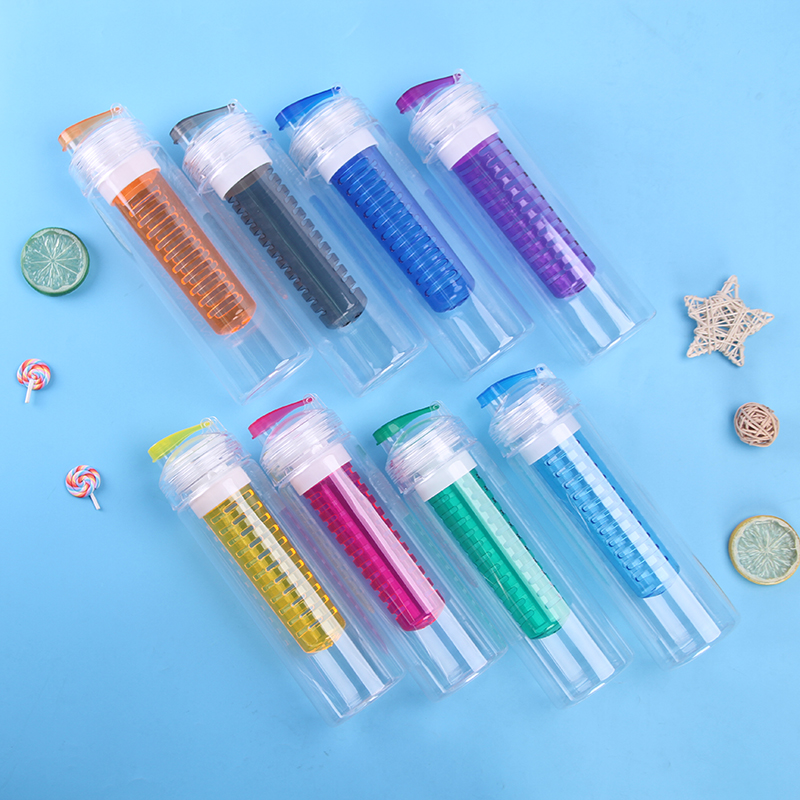
Transparent plastic cups have also gained popularity for their ability to showcase colorful beverages, such as smoothies, cocktails, and layered desserts. This visual appeal is particularly important in the age of social media, where photogenic presentation can drive consumer interest and loyalty.
Branding and Marketing Opportunities
Plastic cups serve as powerful branding tools for businesses. Logos, slogans, and promotional messages printed on cups help reinforce brand identity and create memorable customer experiences. Limited-edition designs, such as those for holidays or special events, can further enhance brand visibility and customer engagement.
The portability of plastic cups also ensures that branding reaches a wider audience. A consumer carrying a branded cup effectively acts as a walking advertisement, increasing the reach and impact of marketing efforts.
Multifunctionality in Daily Life
Beyond their traditional role in serving beverages, plastic cups have found creative applications in various aspects of daily life. They are often repurposed as storage containers, plant holders, or craft materials. Their versatility makes them a valuable resource for DIY enthusiasts and environmentally conscious consumers seeking to extend the lifecycle of disposable items.
Balancing Convenience with Sustainability
While plastic cups offer undeniable convenience, their environmental impact cannot be overlooked. As awareness of sustainability grows, consumers and businesses are seeking ways to balance practicality with eco-friendliness. Reusable plastic cups, made from durable materials, are gaining traction as a sustainable alternative to single-use options.
Furthermore, initiatives such as cup-sharing programs and biodegradable designs are helping to mitigate the environmental footprint of plastic cups. By adopting these practices, individuals and organizations can enjoy the benefits of plastic cups while contributing to a more sustainable future.
Conclusion
Plastic cups embody the intersection of convenience and aesthetics, making them a cornerstone of modern life. Their adaptability, design innovations, and branding potential have cemented their place in various industries and cultures. However, as we continue to enjoy the benefits of plastic cups, it is essential to embrace sustainable practices that minimize their environmental impact. By doing so, we can ensure that these indispensable items remain a positive force in our daily lives.