



Best Offers

Secure Payments


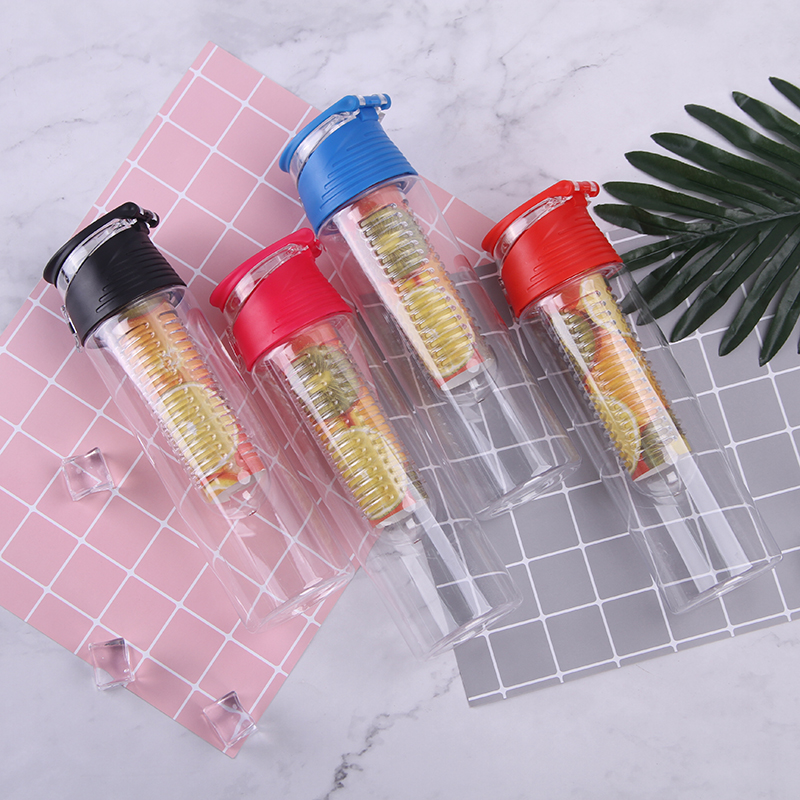
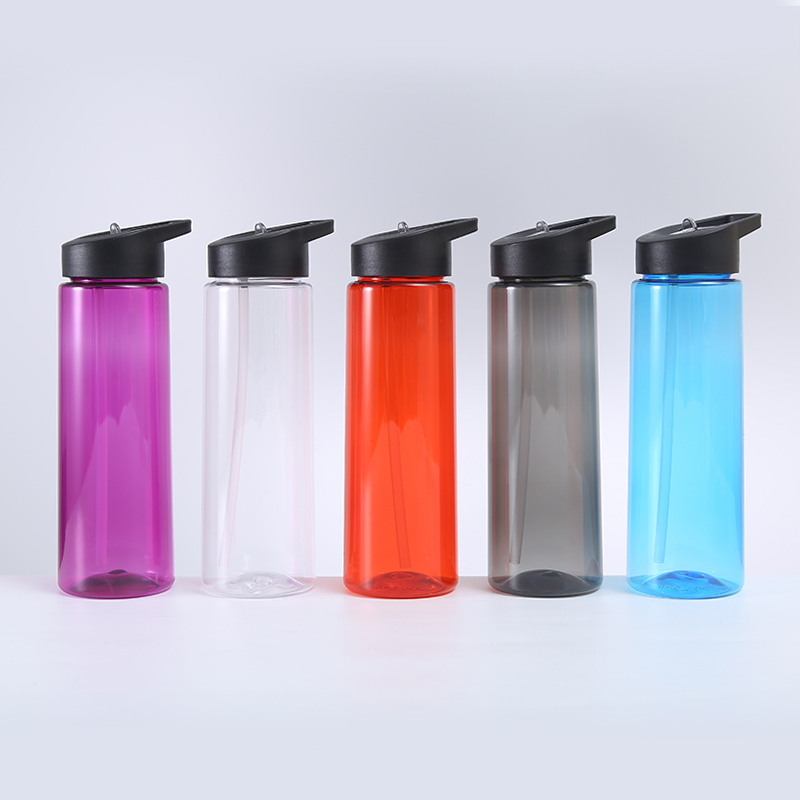
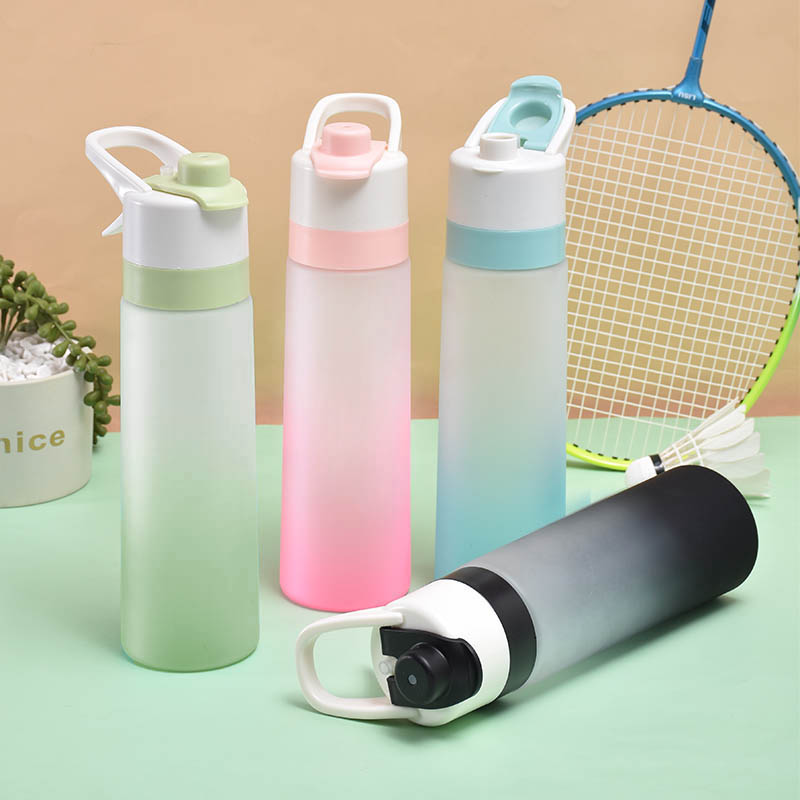

The Journey of Innovation: How Plastic Cups Are Becoming Environmentally Friendly
Introduction Plastic cups have become ubiquitous in modern society, serving as a convenient and cost-effective solution for both individuals and businesses. From cafes offering iced coffee to large-scale events requiring disposable drinkware, plastic cups cater to various needs with unparalleled ease. However, their widespread use has also raised significant concerns about environmental sustainability. With millions of plastic cups discarded daily, their impact on landfills and oceans has become a pressing issue. This article explores the innovative approaches being taken to address the environmental challenges posed by plastic cups. From the development of biodegradable materials to advancements in recycling technologies, we will delve into the journey of transforming these everyday items into eco-friendly solutions. The Evolution of Plastic Cups Plastic cups were first introduced in the mid-20th century as a lightweight, durable, and affordable alternative to glass and ceramic drinkware. Initially made from polystyrene, these cups quickly gained popularity in both commercial and domestic settings. Over the years, manufacturers diversified the materials used, including polyethylene terephthalate (PET) and polypropylene (PP), to improve functionality and reduce costs. Despite their convenience, the environmental cost of plastic cups became apparent as their usage surged. Non-biodegradable plastics began accumulating in landfills and oceans, contributing to pollution and endangering wildlife. This sparked a global movement to rethink the design and lifecycle of plastic cups. Biodegradable and Compostable Alternatives One of the most promising innovations in plastic cup design is the use of biodegradable and compostable materials. These alternatives break down more easily in natural environments, reducing their long-term impact on ecosystems. Materials like polylactic acid (PLA), derived from renewable resources such as corn starch, have emerged as viable options for manufacturing eco-friendly plastic cups. Biodegradable cups are designed to decompose under specific conditions, typically in industrial composting facilities. This has led to the development of certification standards to ensure the authenticity and effectiveness of these products. Brands are increasingly adopting such materials to align with consumer demand for sustainable alternatives. Recycling Technologies: Closing the Loop Recycling remains a cornerstone of sustainable plastic cup production. Advanced recycling technologies, such as chemical recycling, are revolutionizing the industry by breaking down plastics into their original monomers. This process allows for the production of new cups with minimal loss of quality, effectively creating a closed-loop system. Additionally, some companies have implemented deposit return schemes to encourage consumers to recycle their used cups. By offering incentives for returning used cups, these programs aim to increase recycling rates and reduce waste. Governments and organizations worldwide are also introducing legislation to promote the use of recyclable materials and enhance recycling infrastructure. Challenges in Achieving Sustainability While significant progress has been made, several challenges remain in making plastic cups truly sustainable. Biodegradable materials often require specific conditions to decompose, which are not always available in standard waste management systems. Furthermore, the cost of producing eco-friendly cups is often higher than traditional plastics, posing a barrier to widespread adoption. Consumer behavior also plays a critical role. Educating the public about proper disposal methods and the importance of recycling is essential to maximizing the benefits of sustainable plastic cups. Collaborative efforts between manufacturers, policymakers, and consumers are necessary to overcome these hurdles. Future Trends and Innovations The future of plastic cups lies in innovation. Researchers are exploring new materials, such as seaweed-based bioplastics and edible polymers, that offer unique solutions to the plastic waste problem. Smart cups equipped with sensors to monitor temperature or track usage are also gaining attention, combining functionality with sustainability. Moreover, the rise of circular economy models emphasizes the reuse and recycling of materials to minimize waste. Companies are experimenting with reusable cup systems, where consumers can return used cups for cleaning and redistribution. These initiatives not only reduce environmental impact but also foster a culture of responsibility and sustainability. Conclusion The journey of innovation in plastic cups is a testament to the power of human ingenuity in addressing environmental challenges. By embracing biodegradable materials, enhancing recycling technologies, and fostering sustainable practices, we can transform plastic cups from a source of pollution into a symbol of progress. As consumers, our choices play a pivotal role in shaping this future. By supporting eco-friendly options and adopting responsible habits, we can contribute to a greener, more sustainable world.
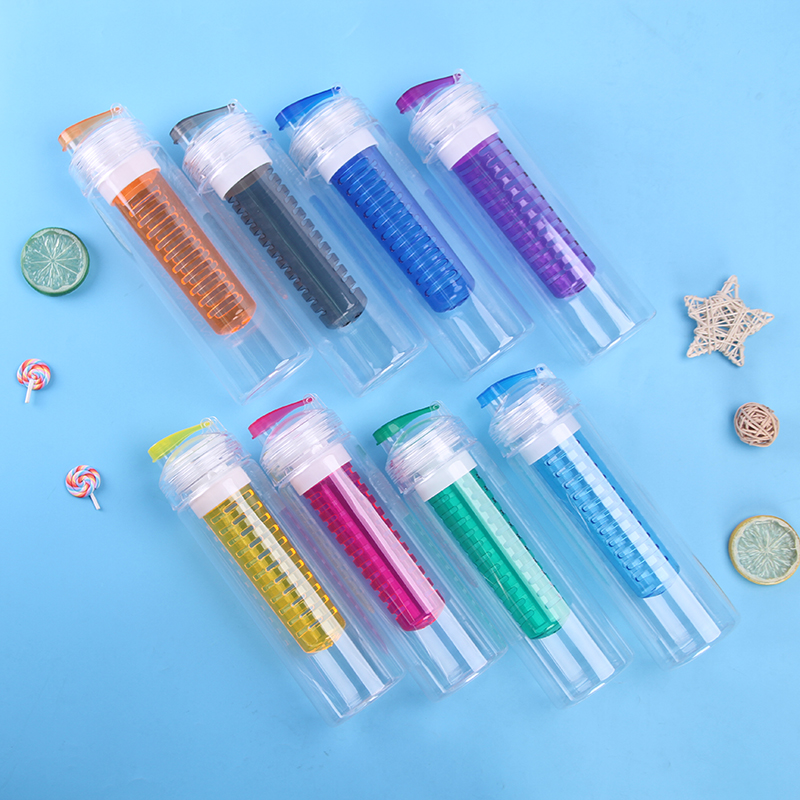
Plastic Cups in Everyday Life: A Blend of Convenience and Aesthetics
Introduction Plastic cups have seamlessly integrated into our daily lives, offering unmatched convenience and adaptability. From busy commuters grabbing their morning coffee to children enjoying juice at birthday parties, these versatile cups serve a wide range of purposes. However, beyond their practicality, plastic cups have also evolved to become a statement of aesthetics and branding. This article explores the dual role of plastic cups in providing convenience and enhancing visual appeal. By examining their design innovations, cultural significance, and multifaceted uses, we uncover why plastic cups remain an indispensable part of modern living. The Ubiquity of Plastic Cups The widespread adoption of plastic cups can be attributed to their lightweight nature, durability, and affordability. Unlike traditional glass or ceramic cups, plastic versions are shatterproof, making them ideal for use in various settings, including outdoor events, fast-food restaurants, and family gatherings. Their disposable nature also reduces the time and effort needed for cleaning, catering to the fast-paced lifestyles of today’s consumers. Moreover, plastic cups come in a variety of sizes and shapes, catering to different beverage types and serving portions. This adaptability has made them a staple in industries ranging from hospitality to healthcare. The Aesthetic Evolution of Plastic Cups In addition to functionality, plastic cups have embraced aesthetic trends to appeal to modern consumers. Brands now invest in customized designs, colors, and patterns to enhance the visual experience of their products. For instance, coffee chains often feature seasonal-themed cups, creating a sense of novelty and engagement among customers. Transparent plastic cups have also gained popularity for their ability to showcase colorful beverages, such as smoothies, cocktails, and layered desserts. This visual appeal is particularly important in the age of social media, where photogenic presentation can drive consumer interest and loyalty. Branding and Marketing Opportunities Plastic cups serve as powerful branding tools for businesses. Logos, slogans, and promotional messages printed on cups help reinforce brand identity and create memorable customer experiences. Limited-edition designs, such as those for holidays or special events, can further enhance brand visibility and customer engagement. The portability of plastic cups also ensures that branding reaches a wider audience. A consumer carrying a branded cup effectively acts as a walking advertisement, increasing the reach and impact of marketing efforts. Multifunctionality in Daily Life Beyond their traditional role in serving beverages, plastic cups have found creative applications in various aspects of daily life. They are often repurposed as storage containers, plant holders, or craft materials. Their versatility makes them a valuable resource for DIY enthusiasts and environmentally conscious consumers seeking to extend the lifecycle of disposable items. Balancing Convenience with Sustainability While plastic cups offer undeniable convenience, their environmental impact cannot be overlooked. As awareness of sustainability grows, consumers and businesses are seeking ways to balance practicality with eco-friendliness. Reusable plastic cups, made from durable materials, are gaining traction as a sustainable alternative to single-use options. Furthermore, initiatives such as cup-sharing programs and biodegradable designs are helping to mitigate the environmental footprint of plastic cups. By adopting these practices, individuals and organizations can enjoy the benefits of plastic cups while contributing to a more sustainable future. Conclusion Plastic cups embody the intersection of convenience and aesthetics, making them a cornerstone of modern life. Their adaptability, design innovations, and branding potential have cemented their place in various industries and cultures. However, as we continue to enjoy the benefits of plastic cups, it is essential to embrace sustainable practices that minimize their environmental impact. By doing so, we can ensure that these indispensable items remain a positive force in our daily lives.
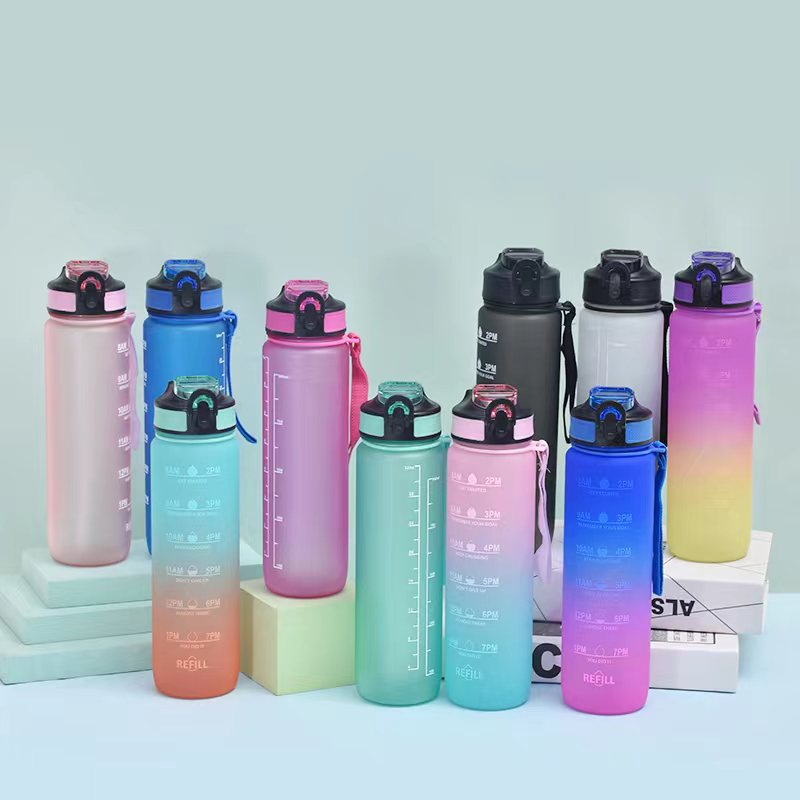
Combining Technology and Sustainability
Introduction Plastic cup manufacturing has undergone significant transformations over the years, driven by advancements in technology and increasing demand for environmentally conscious practices. While traditionally focused on mass production and cost-efficiency, the industry is now embracing innovative methods to address sustainability challenges. These efforts aim to minimize waste, reduce carbon footprints, and optimize material usage. This article explores the cutting-edge technologies shaping the production of plastic cups, highlighting how manufacturers are balancing performance with environmental responsibility. Advanced Material Science The foundation of innovation in plastic cup manufacturing lies in material science. Researchers are developing advanced polymers and composite materials that offer improved functionality and sustainability. Key breakthroughs include: Automation and Smart Manufacturing The adoption of automation and smart manufacturing processes is revolutionizing plastic cup production. Automated systems ensure precision, consistency, and efficiency in manufacturing while minimizing waste. Key advancements include: Energy-Efficient Processes Energy efficiency is a critical focus area in plastic cup manufacturing. Companies are investing in technologies that lower energy requirements without sacrificing product quality: Waste Reduction and Recycling Waste reduction is a core component of sustainable manufacturing. Innovations in this area include: Customization and On-demand Manufacturing Technological advancements have made it easier for manufacturers to produce customized and on-demand plastic cups. These capabilities reduce overproduction and waste while meeting specific consumer needs: Collaborative Efforts for Sustainability The shift toward sustainable manufacturing is not an isolated effort. Collaboration between manufacturers, researchers, and policymakers is driving industry-wide changes: Conclusion The manufacturing of plastic cups is at a pivotal moment, with technological innovations and sustainability initiatives redefining industry standards. By embracing advanced materials, energy-efficient processes, and waste reduction strategies, manufacturers are paving the way for a more sustainable future. These efforts not only benefit the environment but also position companies as leaders in responsible production. As the industry continues to evolve, collaboration and innovation will remain essential in achieving a balance between convenience, performance, and sustainability.