Introduction
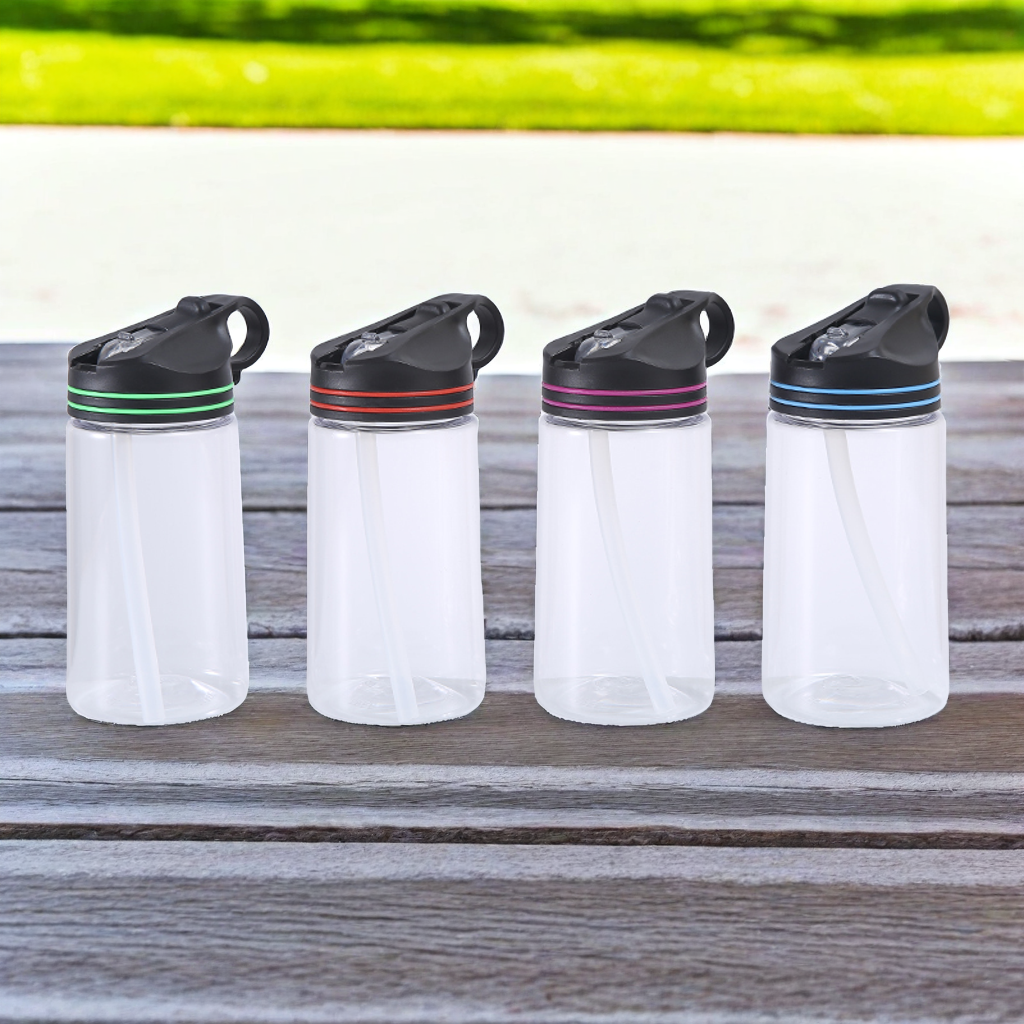
Choosing the right plastic cups for children involves more than picking bright colors and fun designs. Parents need products that are safe, durable, and suited to their child’s needs. Modern children’s cups strike a balance between functionality and appeal, ensuring that every sip is safe and enjoyable.
This article explores key considerations in selecting plastic cups for kids, from material safety to ergonomic design.
Material Safety
The safety of materials used in children’s plastic cups is paramount. Features to look for include:
- BPA-free Plastics: Avoid cups containing bisphenol A (BPA), a chemical linked to health concerns.
- Food-grade Certification: Ensure the material is certified safe for contact with food and drink.
- Non-toxic Colors: Bright designs should use child-safe, non-toxic paints or dyes.
Design Considerations
Ergonomic and age-appropriate designs make cups easier and safer for children to use. Features include:
- Spill-proof Lids: Cups with secure lids or straws help prevent messes.
- Easy Grip Handles: Designed for little hands, these features encourage independence.
- Rounded Edges: Smooth edges reduce the risk of accidents during use.
Durability
Children’s cups must withstand drops, bites, and daily wear. High-quality plastics are essential for:
- Shatter Resistance: Durable cups ensure safety even if dropped.
- Dishwasher Safe Materials: Easy cleaning extends the product’s life.
- Heat Resistance: Cups that can handle warm liquids are versatile and practical.
Appealing Designs
Kids are more likely to stay hydrated with fun and engaging designs. Popular options include:
- Favorite Characters: Cups featuring beloved cartoon or movie characters.
- Interactive Elements: Cups with color-changing features or fun textures.
- Customizable Options: Personalized cups with names or pictures.
Sustainability
Eco-conscious parents often seek sustainable children’s cups. Options include:
- Reusable Cups: Reduce waste by replacing disposable cups with durable alternatives.
- Recycled Materials: Cups made from recycled plastics support circular economies.
- Minimal Packaging: Products with eco-friendly packaging reduce environmental impact.
Conclusion
Selecting the right plastic cups for children involves balancing safety, durability, and design. By focusing on high-quality materials and kid-friendly features, parents can ensure their children enjoy every sip in a safe and engaging way. The right cup can even encourage hydration, fostering healthy habits from an early age.