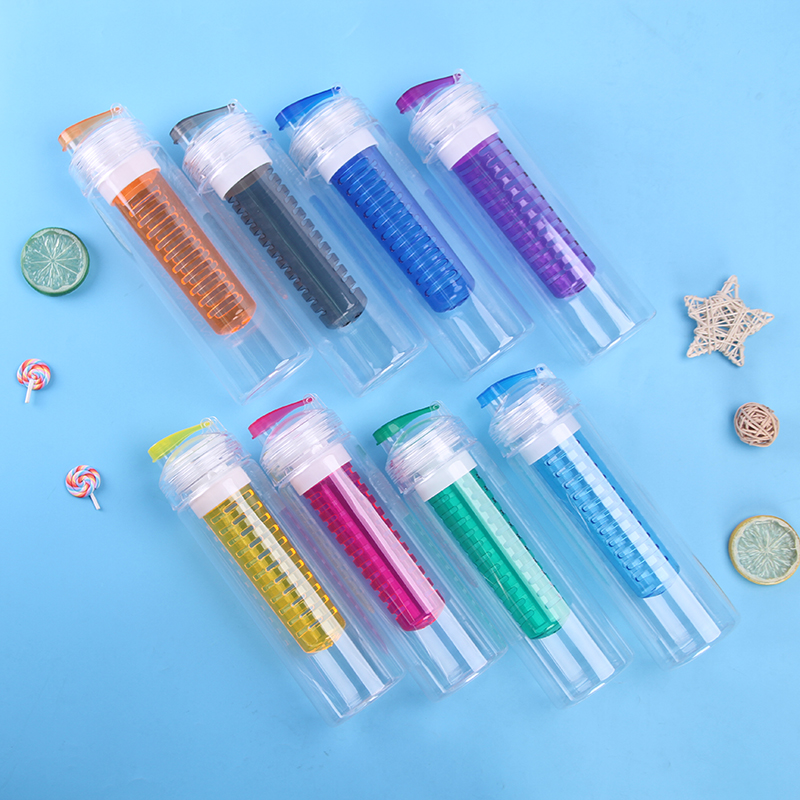
Introduction
Plastic bottles have become an integral part of modern society, widely used for a variety of purposes. From beverage packaging to storage of household goods and pharmaceuticals, plastic bottles have revolutionized the way we consume and store products. The convenience, durability, and cost-effectiveness of plastic bottles make them a preferred choice in a wide range of industries.
Historical Development
The plastic bottle, as we know it today, has evolved significantly over the last century. Early attempts at plastic packaging began in the 19th century, with materials like glass and metal being the dominant choices for bottles. However, the introduction of synthetic polymers, such as polyethylene terephthalate (PET), in the 1940s and 1950s marked the beginning of the widespread use of plastic bottles.
By the 1970s, plastic bottles had become commonplace in the beverage industry. The lightweight and shatterproof properties of plastic made it an ideal material for packaging carbonated drinks, water, and other beverages. The rapid development of plastic production technology, including blow molding and extrusion techniques, allowed manufacturers to produce plastic bottles at a scale never seen before.
Types of Plastic Bottles
There are various types of plastic bottles used in different industries, each made from specific polymers. Some of the most commonly used materials include:
- PET (Polyethylene Terephthalate): Known for its clarity and strength, PET is commonly used for carbonated beverages, water, and juices.
- HDPE (High-Density Polyethylene): This type of plastic is used for packaging milk, detergents, and household cleaners due to its durability and resistance to chemicals.
- PVC (Polyvinyl Chloride): PVC is typically used in the production of shrink-wrapped bottles or for packaging non-food items.
Each material has unique properties that make it suitable for particular applications, ranging from food and beverage packaging to pharmaceuticals and personal care products.
Plastics in the Beverage Industry
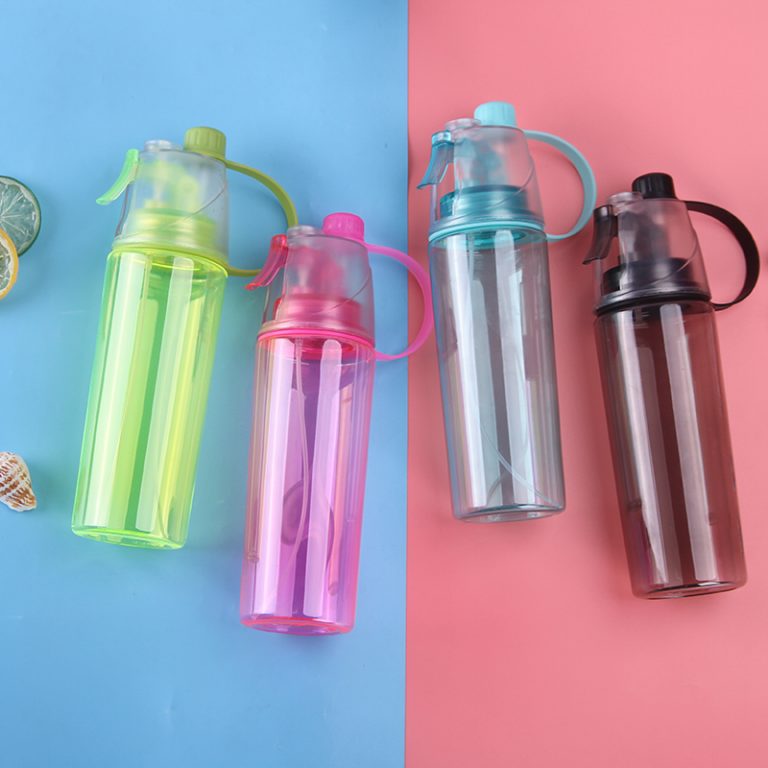
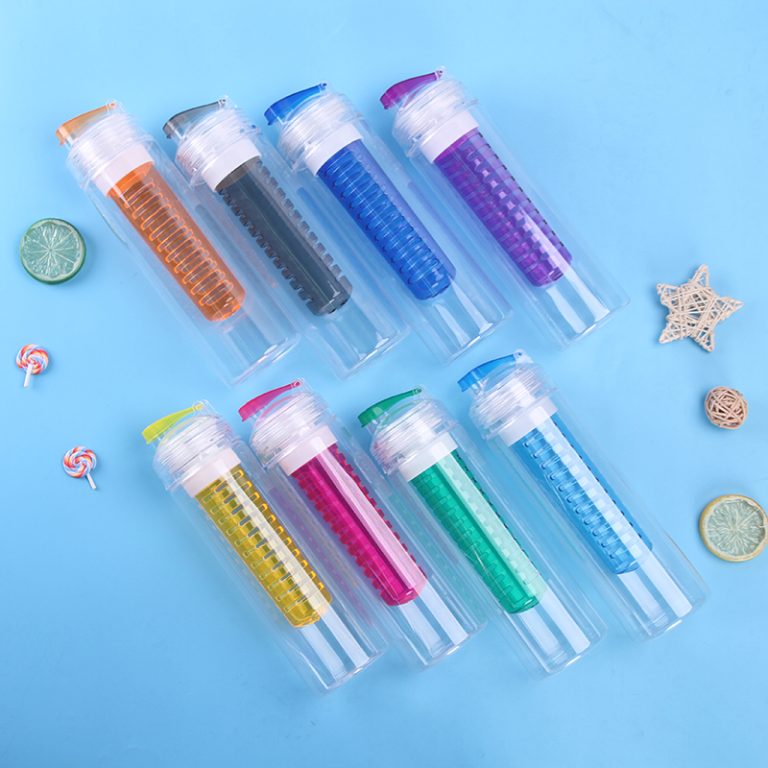
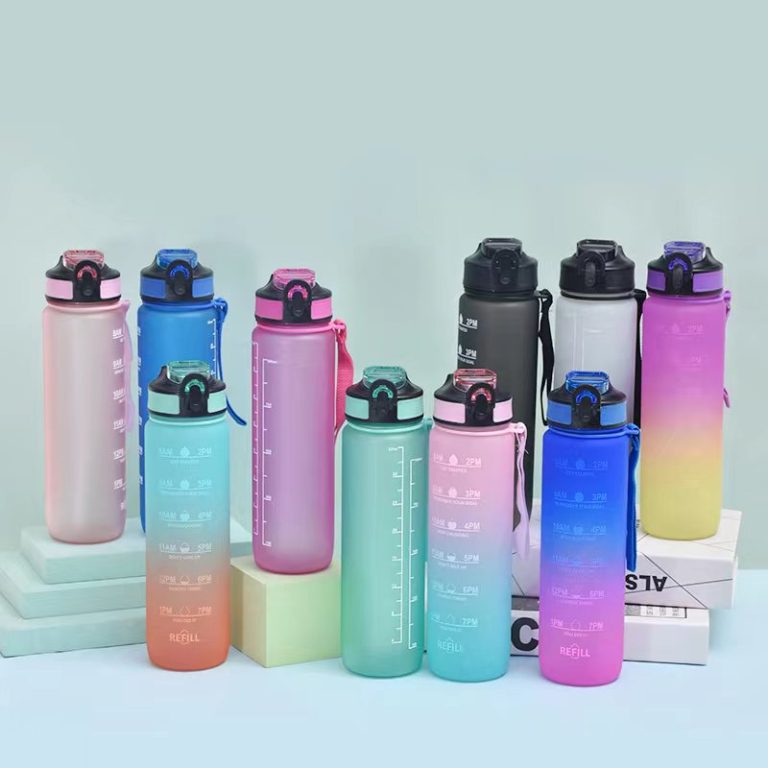
The beverage industry is the largest consumer of plastic bottles. Whether it’s bottled water, soda, or fruit juices, plastic bottles provide an ideal solution for beverage packaging. The lightweight nature of plastic reduces transportation costs, while the versatility of the material allows for a range of designs, from simple bottles to more complex shapes with functional features like resealable caps and ergonomic designs.
The transparency of PET also allows consumers to see the contents of the bottle, which is especially important for juices and water products. Additionally, plastic bottles can be easily molded into various sizes, which helps cater to the diverse needs of consumers.
Plastic Bottles in Non-Beverage Uses
Plastic bottles are also extensively used in industries other than beverages. Personal care products, such as shampoos, conditioners, and lotions, are often sold in plastic bottles due to their cost-effectiveness and convenience. The pharmaceutical industry also relies on plastic bottles for storing over-the-counter medications, vitamins, and other health products.
In the household goods sector, plastic bottles are used for packaging cleaning products, detergents, and air fresheners. The ability to produce different shapes and sizes means that plastic bottles can meet the varying needs of different industries and consumers.
Sustainability Concerns
Despite the widespread use of plastic bottles, there is growing concern about their environmental impact. Single-use plastic bottles contribute significantly to plastic waste, which takes hundreds of years to decompose. This has led to increased calls for recycling and more sustainable alternatives.
Governments and organizations around the world are implementing policies to reduce plastic bottle waste, including deposit return schemes, bans on single-use plastics, and encouraging the use of recyclable materials. Efforts to reduce plastic use, combined with innovations in biodegradable plastics and more efficient recycling processes, are helping mitigate the environmental impact of plastic bottles.
Conclusion
The future of plastic bottles will depend on how the industry adapts to growing sustainability concerns. While plastic bottles continue to be an essential part of modern life, efforts to reduce waste, improve recycling rates, and explore alternative materials will shape their future. Innovations in manufacturing, combined with greater consumer awareness, could help ensure that plastic bottles remain a useful packaging solution in a more environmentally responsible way.